
Lab Building – Fume Cupboard Hibernation Programme
Project Overview
Following a review of the VAV control system and the use of fume cupboards energy-saving measures were implemented on laboratory fume cupboards within the lab Building. The project focused on reducing ventilation energy consumption through improved fume cupboard control and operational management.
Challenge
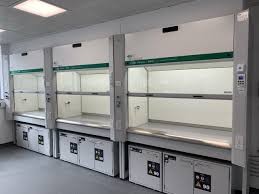
Laboratory fume cupboards are among the most energy-intensive assets in research facilities due to their continuous exhaust requirements and associated heating demands.
A number of fume cupboards in this building were found to be lightly or intermittently used. By enabling the use of a ‘Hibernation’ feature on all the fume cupboards in the building these cupboards could be set to a very low extract volume flow rate while not in use. As soon as the sash was raised the fume cupboard automatically returned to its original extract rates and full VAV control.
The objective was to reduce energy use while maintaining laboratory functionality and safety.
Solution
Energy-saving controls were introduced across the building’s fume cupboards and the users received instructions on how to use the hibernation modes to significantly reduce airflows during periods of inactivity.
Results
Electricity Savings
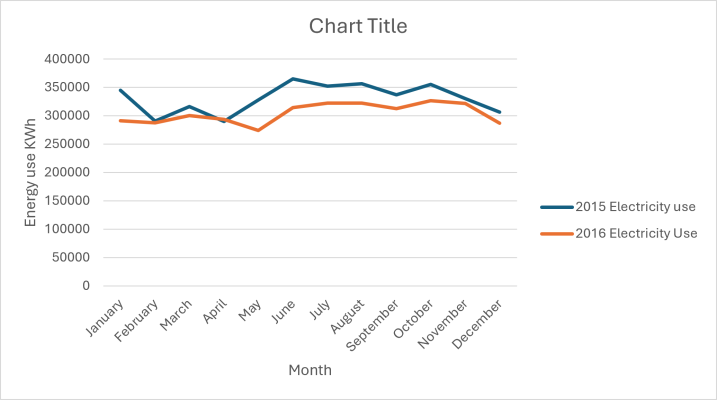
Comparison of metering data for the first five months following implementation showed:
|
Metric |
Result |
|
Electricity reduction |
11% |
|
Annualised electricity saving |
422,653 kWh |
|
Carbon reduction from electricity |
173 tonnes CO₂ |
Heating Energy Savings
Although no direct heating metering was available, estimates were calculated based on historic fume cupboard energy use.
For ten cupboards placed into hibernation:
|
Metric |
Result |
|
Heating energy reduction |
99,009 kWh/year |
|
Additional carbon reduction |
20.2 tonnes CO₂ |
Total Environmental Impact
|
Metric |
Annual Result |
|
Electricity saving |
422,653 kWh |
|
Carbon reduction from electricity |
173 tonnes CO₂ |
|
Additional carbon reduction from heating |
20.2 tonnes CO₂ |
|
Total carbon reduction |
193 tonnes CO₂ |
Business Benefits
- Immediate reduction in energy consumption
- Significant carbon savings
- Improved laboratory sustainability performance
- Demonstrated effectiveness of behavioural and controls-based interventions
- Scalable approach suitable for wider deployment
Key Takeaway
The large lab project delivered an estimated annual reduction of 193 tonnes of CO₂ through a combination of improved fume cupboard controls and hibernation strategies, proving that operational optimisation can deliver major sustainability benefits without large capital investment.